
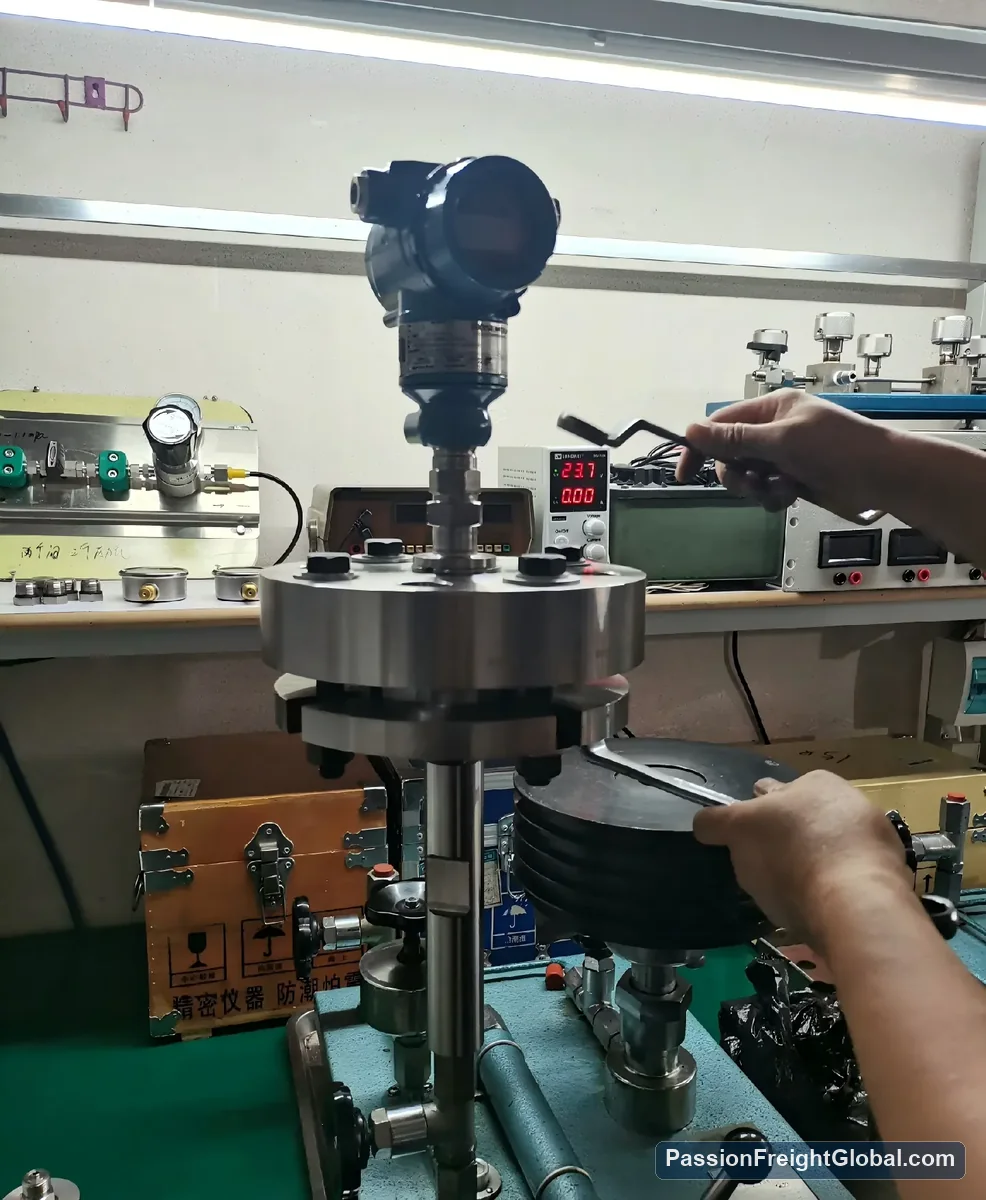
International buyers get better outcomes when the product, supplier, packing and route are treated as one operating decision. This field note explains the facts to collect, the choices to make and the evidence to keep before cargo is released. It is written for practical planning; exact requirements still depend on the product, destination, carrier and current regulations.
Sensitive instruments can arrive complete but unusable if calibration, interfaces, serial records, shock protection or installation handover are missed.
Start with the decision, not the freight rate
A workable plan begins by defining what must be true at delivery: accepted product, protected condition, usable documents and a handover the consignee can actually receive. A low rate cannot compensate for an unready supplier, an unstable pack or missing evidence. Conversely, the most protective or fastest option is not automatically the best if it creates avoidable cube, cost or handling.
Ask the supplier for measured facts rather than reassurance. Where a point is uncertain, use a sample, pilot, inspection or carrier acceptance step to reduce that uncertainty before the full order is committed.
Facts the buyer should confirm
- Model, range and process connection.
- Calibration method and certificate.
- Serial mapping and accessories.
- Power, communication and software requirements.
- Shock, moisture and orientation controls.
A practical sequence
- Step 1. Test the configured unit.
- Step 2. Tie certificates to serials.
- Step 3. Photograph included accessories.
- Step 4. Design support around sensitive interfaces.
- Step 5. Confirm destination setup responsibility.
Evidence worth keeping
The release pack should include order configuration, serial list, test and calibration records, accessory check and final packing photos.
Evidence should be tied to the purchase order, revision, batch or serial range. General factory photographs are useful context, but they do not replace product-specific measurements, tests and release records.
Trade-offs to make visible
Compare total landed outcome rather than one line item. Include packaging cost, chargeable weight or container cube, expected handling, inventory timing, rework exposure and the cost of a failed delivery. When claims depend on a pilot or a past shipment, state the sample size and conditions. No packaging or supplier process can honestly guarantee every future result.
Questions to send with your enquiry
- Can you provide model, range and process connection?
- Can you provide calibration method and certificate?
- Can you provide serial mapping and accessories?
- Can you provide power, communication and software requirements?
- What destination, deadline and final-delivery constraints should the plan include?
Decision summary
What to verify before acting on “Industrial instruments: factory testing, calibration and export protection”
| Decision | Evidence to request | What the answer changes |
|---|---|---|
| Can the cargo and supplier meet the plan? | Product specification, packed dimensions, weight, value, supplier location and readiness date. | Feasible modes, pickup plan and quotation scope. |
| Where can loss, delay or rejection occur? | Packing photos, declarations, test documents, labels, access limits and handling points. | Carrier acceptance, insurance, packaging and delivery controls. |
| Who owns each handoff? | Named supplier, warehouse, forwarder, customs and consignee responsibilities. | Milestones, evidence capture and exception response. |
Buyer questions
Questions buyers ask about industrial-instrument release
Short answers to the questions that usually remain after the first review. Final requirements still depend on the actual cargo, supplier, carrier and destination.
Is a calibration certificate enough to approve an instrument?
Not by itself. Confirm the tested range, method, acceptance criteria, instrument identity, traceability and whether functional, leakage, communication or alarm tests are also required.
How should transit risk be linked to factory testing?
Record a pre-pack functional baseline, protect sensitive interfaces and moving parts, define shock and orientation controls, and specify what the consignee should check immediately after delivery.
When should installation and delivery access affect the freight plan?
Before packing is frozen. Door size, stairs, lifting equipment, clean-area rules, power-up support and unpacking sequence can change crate design, vehicle choice and final-mile scope.