
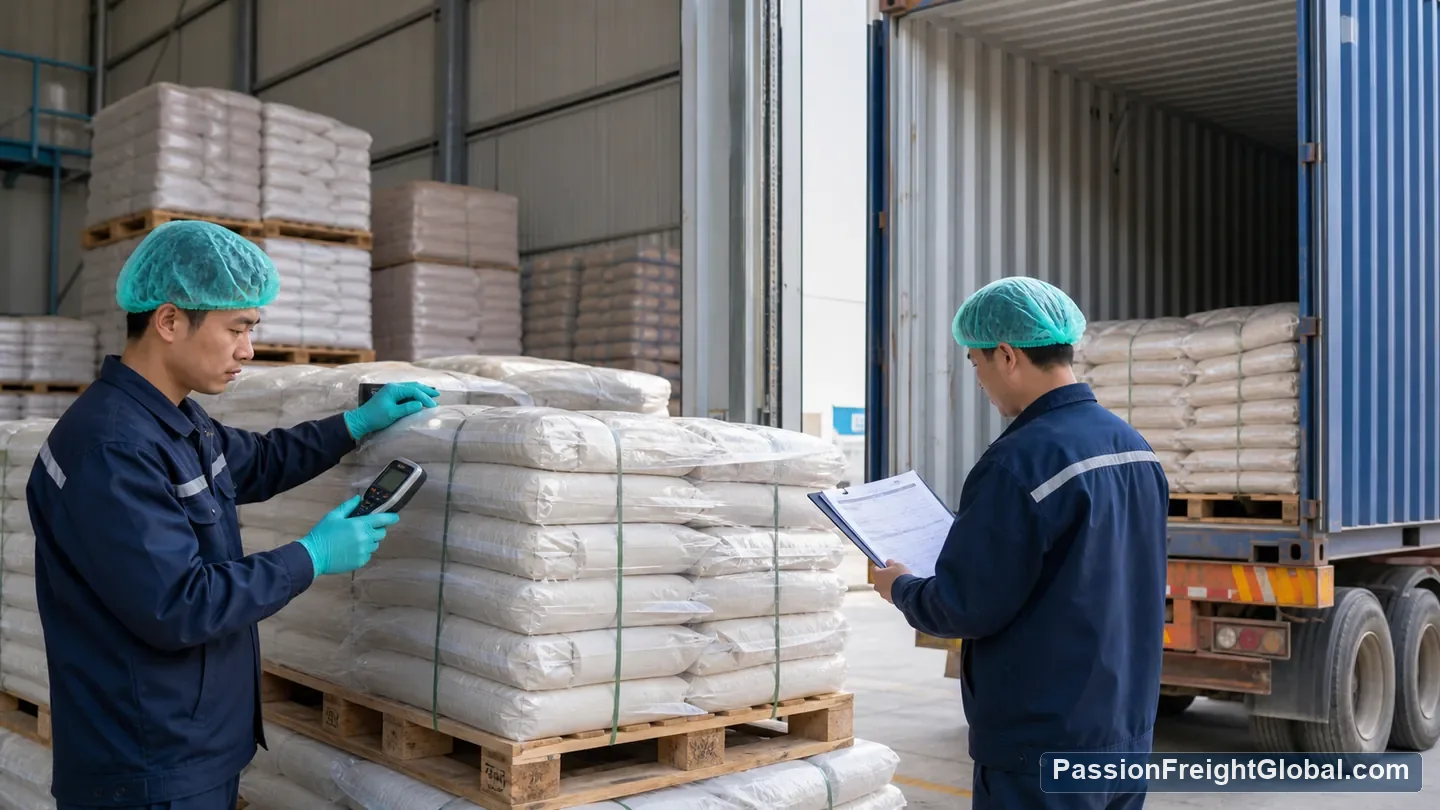
A clean container and a low ocean rate do not make food cargo importable. The exporter, product, destination and intended use must fit the current market-access and documentary requirements before packing and sailing are planned.
What to verify before asking for a firm booking
| Decision | Evidence to request | What it changes |
|---|---|---|
| Can this product enter the market? | Product, species or ingredient, HS code, origin, intended use, buyer/importer licence and current destination requirements. | Whether the trade is feasible and which certificates are required. |
| Is the China exporter ready? | Applicable export-food producer registration or filing, supplier records, test or health evidence and traceable lots. | Customs and inspection workflow. |
| What phytosanitary controls apply? | Required phytosanitary certificate, treatment or fumigation, pest-free conditions and ISPM 15 marks for regulated wood packaging. | Packing materials, timing and inspection. |
| How is quality protected? | Moisture target, liners, desiccants, container cleanliness, ventilation decision, loading weather and seal record. | Shelf condition, claims evidence and route choice. |
A practical China-export sequence
- Confirm destination product access, importer capability and required certificates before contracting a sailing.
- Use traceable production lots and reconcile test, health, origin and packing documents with the commercial description.
- Inspect container cleanliness, odour, holes, floor condition and prior-cargo concerns before loading food products.
- Choose moisture, ventilation and pest controls for the actual commodity, season, voyage and packaging.
- Photograph sealed bags, pallet or floor loading, desiccants, wood marks, door closure and seal number under one shipment file.
The mistake that creates the most avoidable risk
Do not promise that a phytosanitary certificate alone guarantees entry. Import quotas, market-access protocols, food standards, labels and importer requirements can all be destination- and product-specific.
Official references to check before booking
Rules and operator policies change. These links are starting points; confirm the latest requirement with the exporter, competent authorities and the named carrier for the actual shipment.
- China International Trade Single Window — export-food producer filing guide
- IPPC — Guide to regulation of wood packaging material and ISPM 15
- IPPC — Adopted International Standards for Phytosanitary Measures
Buyer questions
Questions buyers ask after the first agricultural & food cargo review
Short answers for the doubts that remain after a first quotation. Final acceptance still depends on the actual product, shipper, carrier, route and destination.
Can rice be shipped as ordinary dry cargo once it is bagged?
The physical move may use a dry container, but export eligibility, destination access, food safety, phytosanitary documents, moisture and pest controls still need confirmation.
Does fumigation solve every agricultural-cargo pest risk?
No. Treatment must be permitted, correctly performed and documented for the commodity and destination. Clean storage, sealed packaging and container inspection remain important.
When does wood packaging need an ISPM 15 mark?
Regulated solid-wood packaging moving internationally generally follows ISPM 15, but exemptions and destination implementation must be checked with the relevant authority.
Who should confirm destination import requirements?
The importer and destination competent authority should confirm current access and documents; the China exporter and logistics team then build the shipment around those requirements.